20 March, 2026
What Is Facilities Management? A Guide for Building Owners and Property Managers
Explore the best smart home automation systems, including CBUS, Savant, Nero and Schneider. Compare features and benefits.
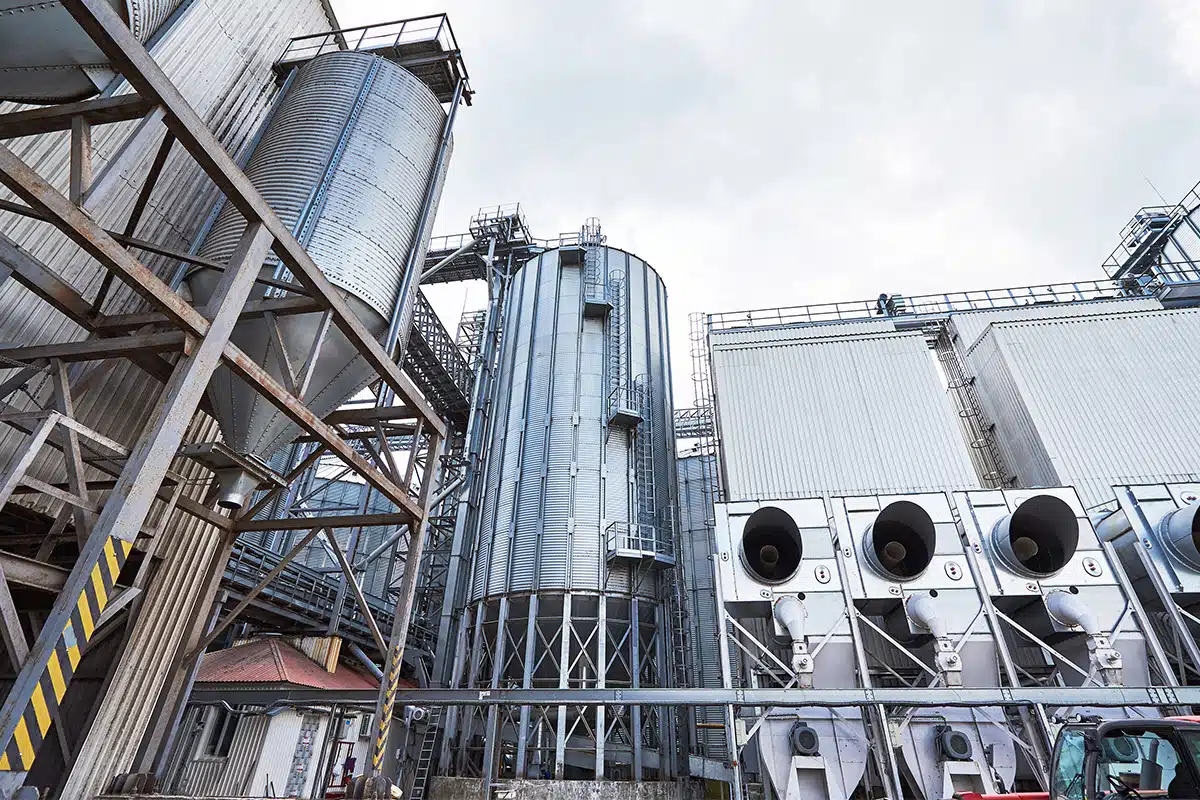
Table Of Contents
If you manage a commercial building, a strata complex or a multi-site operation, someone is doing facilities management work for you, whether you have named it that or not. This guide explains what it actually means, what separates it from general maintenance, and what building owners and property managers in Newcastle, the Hunter and the Central Coast need to know to get it right.
The Short Answer
Facilities management is the ongoing process of keeping a building safe, operational and compliant. It covers physical infrastructure, electrical systems, lighting, lifts, HVAC, fire safety equipment and everything else that makes a building function, along with the planning, scheduling and reporting that keeps all of it in order over time.
In practice, it is the difference between a building that runs without much drama and one that is constantly in reactive mode, fixing problems after they have already disrupted operations or cost money.
Hard FM vs Soft FM: What's the Difference?
Most providers split their services into two broad categories, and it is worth understanding the difference before you engage anyone.
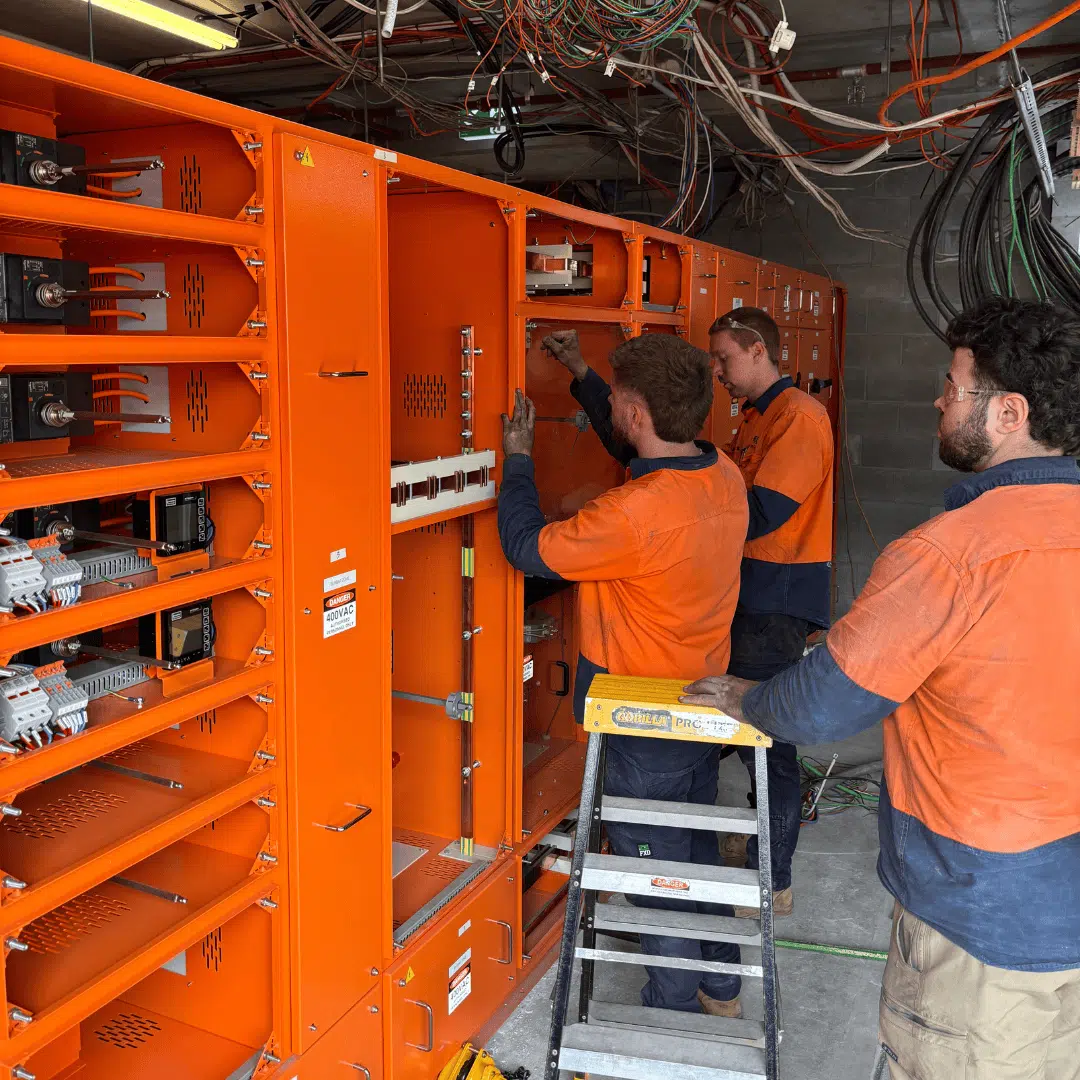
Hard FM covers the fixed physical infrastructure built into the structure itself:
Hard Facilities Management
- Electrical systems and switchboards
- Emergency lighting and exit light testing
- RCD testing and safety compliance
- Test and tag for electrical equipment
- Lifts, hoists, and platform lift maintenance
- HVAC and building services infrastructure
- Automatic doors, gates, and roller shutters
- Energy management and LED upgrades
- Building automation systems
- Asset lifecycle planning and management
Soft FM covers the service functions that support occupants' day-to-day:
Soft Facilities Management
- Cleaning and hygiene services
- Security and access control (staffing)
- Landscaping and grounds maintenance
- Waste management
- Catering and hospitality services
- Reception and concierge services
- Pest control
- Mail handling and logistics
Why Facilities Management Matters More Than Most Building Owners Realise
A lot of buildings run on a break-fix model. Something stops working, someone calls a tradie, it gets fixed. That keeps a building functional in the short term. Over time, it gets expensive, creates compliance risk and shortens the life of your assets.
Emergency repairs cost more than planned maintenance, often significantly more. A scheduled inspection that catches a switchboard fault before it fails is cheaper than an emergency callout at 2am followed by days of downtime. That is not a hypothetical. It is a pattern we see regularly.
The compliance side is the one that catches building owners off guard. Under NSW WHS legislation, commercial building owners and occupiers have a duty to maintain a safe workplace. Electrical safety, fire safety equipment, emergency lighting and any plant that poses a risk if it fails all sit under that obligation. Documented scheduled maintenance is the evidence you need if something goes wrong and you are asked to demonstrate due diligence. Reactive repairs do not give you that.
Then there is asset life. Electrical infrastructure, lift systems and building automation equipment all have a finite service life that assumes a reasonable level of maintenance. Running them without servicing shortens that life, sometimes by years. An asset lifecycle plan lets you plan capital expenditure before equipment fails rather than scrambling when it does.
What a Facilities Management Contract Actually Looks Like
When a commercial property owner or facilities director engages a building facilities management company, the arrangement usually includes a few core components.
A scheduled preventive maintenance programme
The core of any FM arrangement is a scheduled preventive maintenance programme: a calendar of regular inspections and tasks matched to each asset in the building. Emergency lighting needs testing every six months under AS 2293. RCD testing intervals are set out in AS/NZS 3760. A competent FM provider knows this and schedules it without being asked.
Reactive and emergency maintenance capacity
Beyond that, you need reactive and emergency maintenance capacity for the failures that a maintenance programme cannot prevent, compliance documentation that is audit-ready when you need it, and asset management that gives you visibility into what is coming up for replacement before it becomes urgent.
Compliance documentation and reporting
GBE Group uses Aroflo for job management. Clients have real-time access to service records, upcoming tasks and completed job reports. When a WHS audit or insurance renewal requires maintenance history, it is there.
Asset management and lifecycle planning
Tracking the age, condition and expected service life of every major asset on site. This gives building owners visibility into what is coming up for replacement or major servicing so the budget can be planned in advance.
There is a meaningful difference between a contractor who turns up when called and a provider who proactively manages your asset register and schedules compliance testing before it falls due. The second approach usually costs less over three to five years, even when the monthly cost looks higher upfront.

Industries That Rely on Facilities Management in Australia
The requirements vary significantly by sector.
Healthcare has the highest compliance burden. Electrical systems, emergency lighting, medical gas systems and lift maintenance all carry serious regulatory obligations, and the tolerance for downtime is essentially zero. Working in occupied clinical environments adds another layer of complexity.
Education brings large footprints, often ageing infrastructure and the practical constraint of school terms and student safety requirements.
Retail and shopping centres depend on lighting, HVAC, escalators and emergency systems being available during trading hours. Preventive maintenance is not optional when downtime directly affects tenant revenue.
Industrial and manufacturing sites have high-voltage infrastructure and heavy machinery where a failure is not just inconvenient. Downtime in a manufacturing environment is extremely costly.
Hospitality and entertainment venues have complex electrical infrastructure and irregular operating patterns. Scheduling maintenance around events requires coordination that a reactive approach simply cannot provide.
Strata and commercial property owners carry maintenance obligations under NSW property law. Common area electrical systems, lifts, car park infrastructure and emergency systems across a multi-owner building need a clear management plan.
Facilities Management in Newcastle, Hunter, and the Central Coast
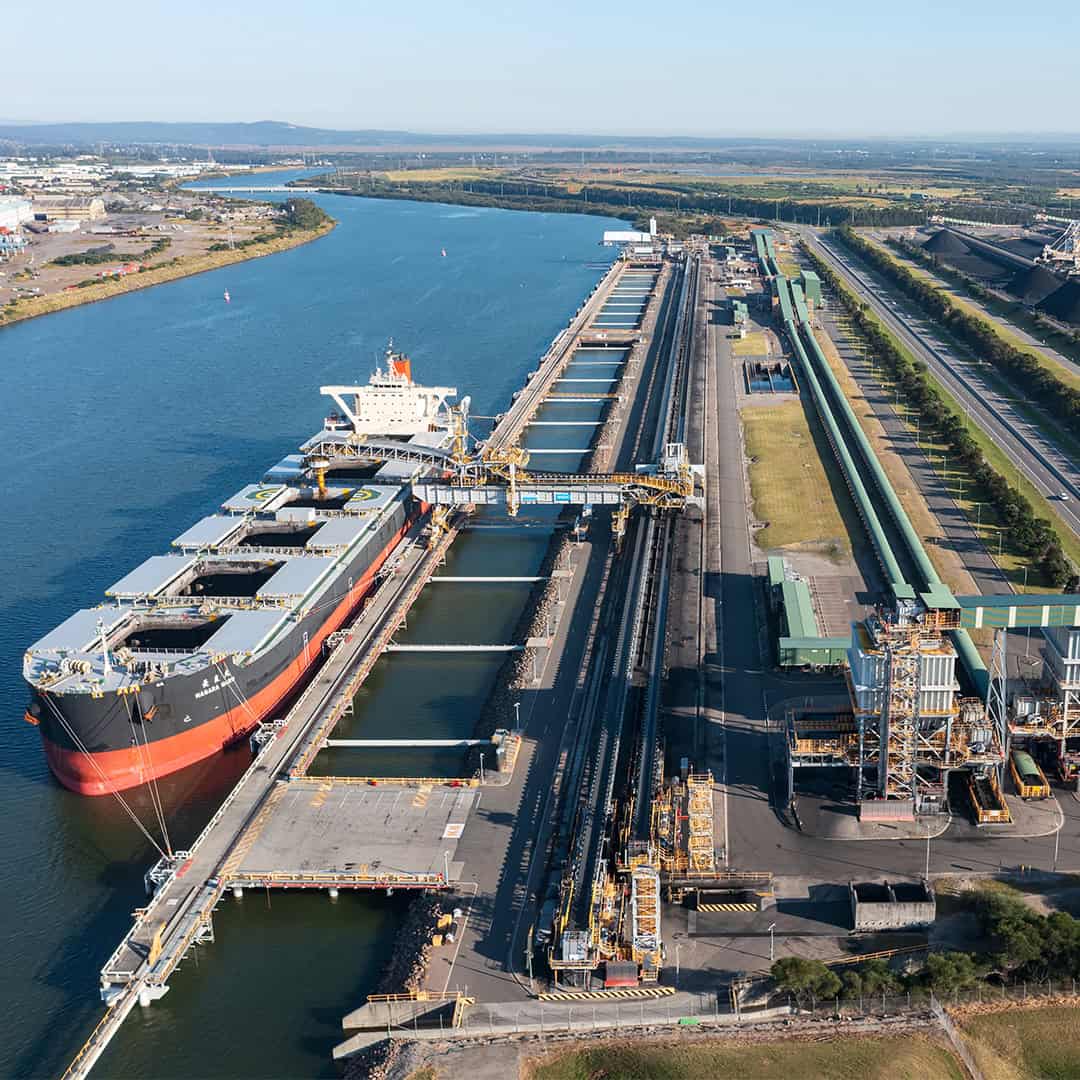
Newcastle and the Hunter have a diverse commercial property market: industrial precincts in Mayfield and Beresfield, government and health facilities in the CBD and inner suburbs, retail through the Lake Macquarie corridor, and hospitality and tourism infrastructure in the Hunter Valley and on the Central Coast.
A contractor working across McDonald Jones Stadium, Calvary Mater Hospital and a Stockland shopping centre in the same week is dealing with three completely different compliance environments and infrastructure scales. That is what regional FM work actually involves, and it requires genuine breadth of experience rather than a narrow specialisation.
GBE Group has been providing building facilities management services across Newcastle and the Hunter for over 30 years. Our team is based in Mayfield West and services commercial, industrial, government, healthcare and strata facilities throughout Newcastle, Lake Macquarie, Maitland, Cessnock, the Hunter Valley and the NSW Central Coast.
How to Choose a Facilities Management Company in Australia
Check licensing first. For electrical work in NSW, your FM provider needs a current electrical contractor licence. GBE Group holds this along with Gold Master Electrician accreditation under Master Electricians Australia and ISO 9001 certification.
Check insurance. Public liability is the baseline. Confirm the level of cover and that it is current.
Consider local presence. A provider based in your region responds faster, knows the local compliance environment and is easier to hold accountable. National companies are not automatically better than a well-run local provider with the right capabilities.
Ask about reporting before you sign anything. If a provider cannot clearly explain how they document their work and how you access those records, that is worth knowing upfront.
Ask for sector references. A contractor whose background is primarily residential electrical work is not the right fit for a hospital or a high-voltage industrial site.